
What to Eat in Siquijor: Breads, Seafood and Island Eateries
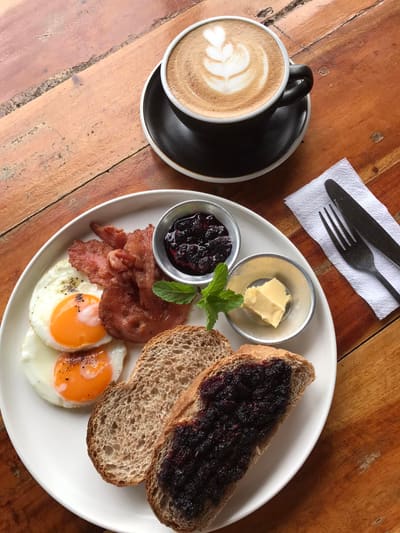
Siquijor's best-documented local specialty is a baked one, not a seafood dish, and most restaurant listings describe familiar Filipino and Visayan cooking.
Six towns around a loop road of about 75 km: waterfalls, beaches, old churches and a local folk-healing tradition. Plan where to stay and eat, and what to check before you go.
Three guides for planning the trip: getting to the island, where to base yourself, and the six towns at a glance.
Six towns around the loop road. What each is known for, and which suit a base, as the guides describe them.
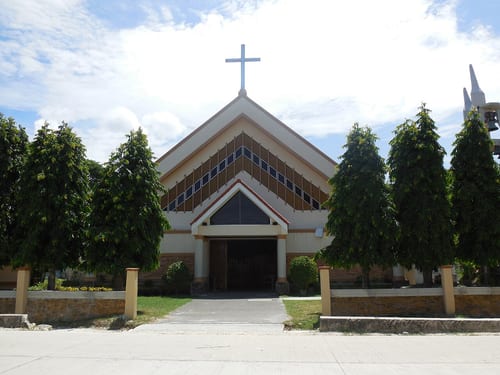
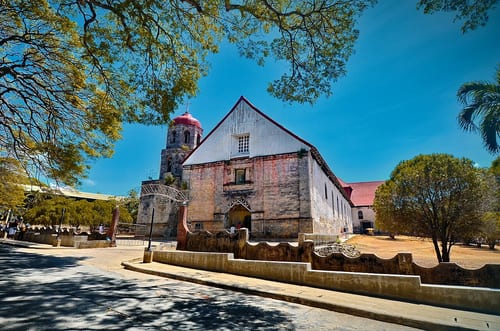
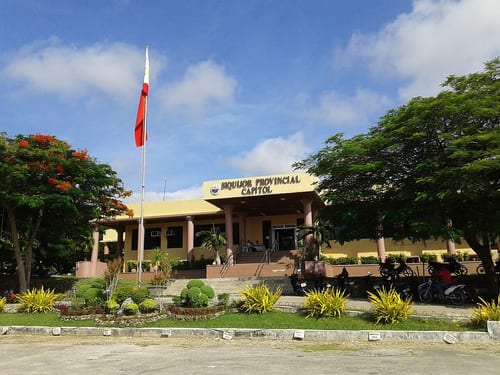
The provincial capital. A Spanish-era church, St. Francis of Assisi, is within walking distance of the port.
As a base: Convenient for the port.
26 places 12 places to stayin Siquijor town
A port town and long-standing ferry hub. Larena Park and Sandugan Beach are listed as sights.
As a base: Often suggested for budget travelers and for easy arrival by boat.
13 places 7 places to stayin Larena
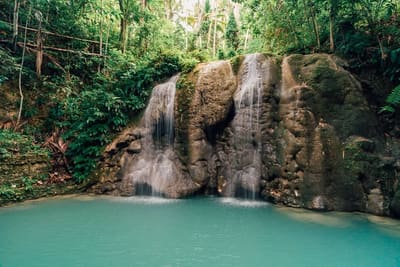
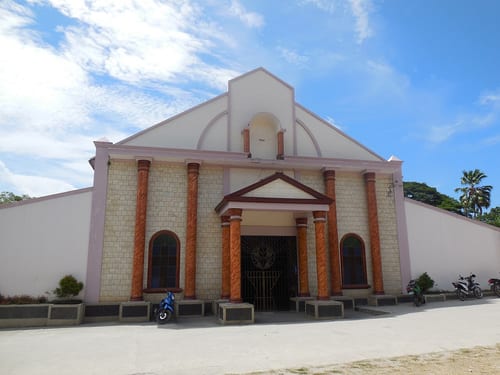
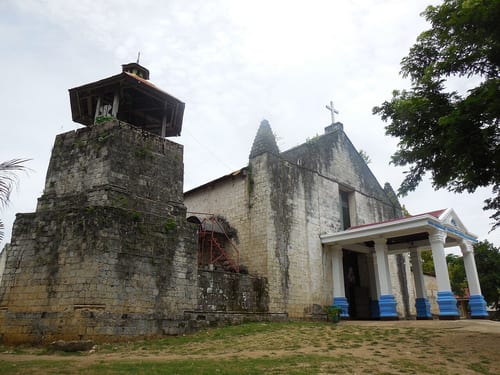
The San Isidro Labrador church and convent, a National Cultural Treasure, and Cambugahay Falls.
As a base: A good fit for getting away from the crowds, with natural scenery.
18 places 7 places to stayin Lazi
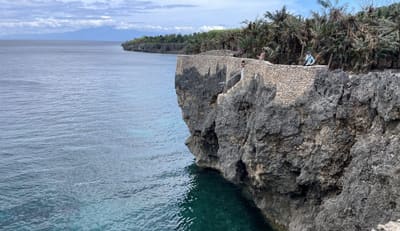
Salagdoong Beach, known for turquoise water and diving platforms of different heights.
6 places 4 places to stayin Maria
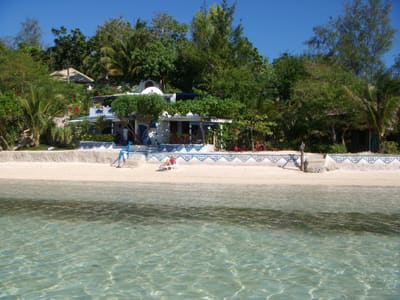
Resorts, restaurants and dive shops along the beach stretch between Solangon and Paliton, and the Tubod Marine Sanctuary.
As a base: The main tourist hub, with beachfront stays, restaurants and some nightlife.
77 places 42 places to stayin San Juan
The smallest town, with Tulapos Marine Sanctuary, described as the island's oldest marine protected area.
7 places 1 place to stayin Enrique Villanueva
147 places across 6 towns, by what you are looking for. In each group, the places with the most photos come first.
The island's reputation rests on a few specific things: a name from old accounts, healers who gather each Holy Week, a mountain and a fig tree with their own stories. Each guide says what is documented and what is tradition.
The name
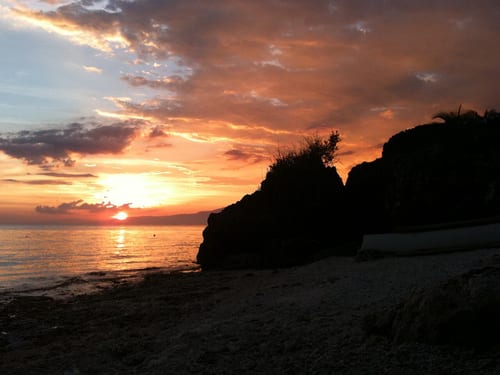
Accounts say the Spaniards called it the Island of Fire for the fireflies glowing in its molave trees. The guide sets the accounts apart from the legends.
The healers
Siquijor is widely known in the Philippines for its traditional healers, and for a Holy Week gathering that puts their work in the public eye.
The mountain
Generally given as the highest point on the island, inside the Siquijor Forest Reserve, with a viewing tower near the top. Each Holy Week it is where the healers gather.
The tree
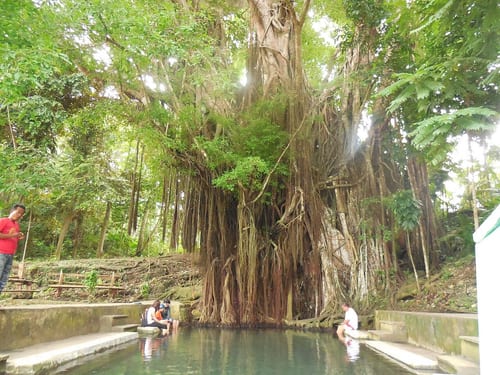
A fig tree beside the highway in Lazi, said to be home to fairies and elves, with a spring and a fish pool at its base. Local belief, not established fact.
Siquijor Folk Healing Festival (Holy Week) 24–27 Mar 2027 Dates expected
How to get here, where to base yourself, what to eat and what to see: practical guides and stories about the island.
Siquijor's best-documented local specialty is a baked one, not a seafood dish, and most restaurant listings describe familiar Filipino and Visayan cooking.
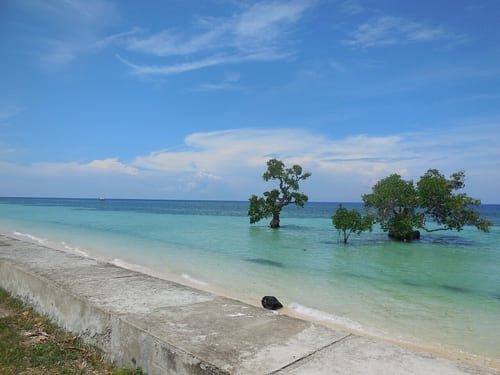
Siquijor's reefs draw snorkelers, freedivers and scuba divers. One of the island's main snorkeling sites is the Tulapos Marine Sanctuary in Enrique Villanueva, on the island's north-east coast, and…
The Enchanted Balete Tree, also called the Century-Old Balete Tree, stands in Barangay Campalanas in the municipality of Lazi, close to the highway. It is believed to be the oldest and biggest balete…
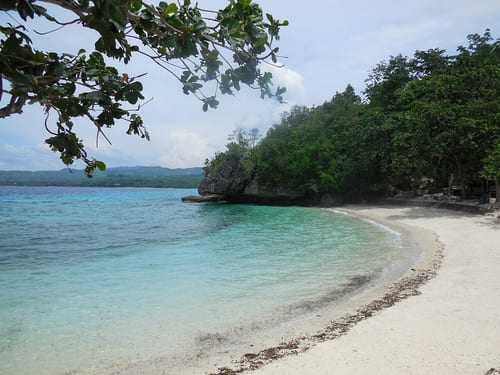
Salagdoong Beach is in Barangay Olang, in the municipality of Maria, on the eastern side of Siquijor. A large rock splits the bay into two small coves, and that rock carries the cliff-jump platforms…
Cantabon Cave is in Barangay Cantabon, in the municipality of Siquijor. PhilAtlas lists Cantabon as a barangay of Siquijor municipality (population 482 in the 2020 census), and the showcaves.com cave…
2–3 May 2027
15 May 2027
21–24 May 2027
28 Aug 2027
12 Sept 2027
17 Sept 2027