
Lazi
about 2 km by road
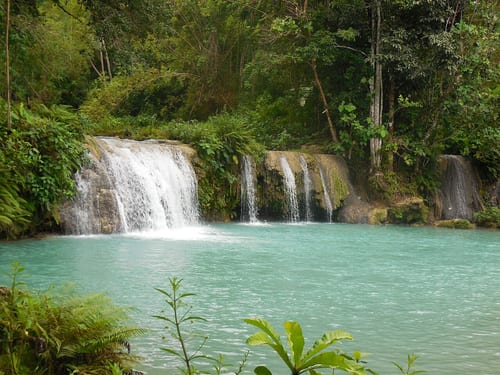
A three-tiered waterfall with swimming pools near Lazi; the way down is a steep stairway of about 100 to 135 steps.
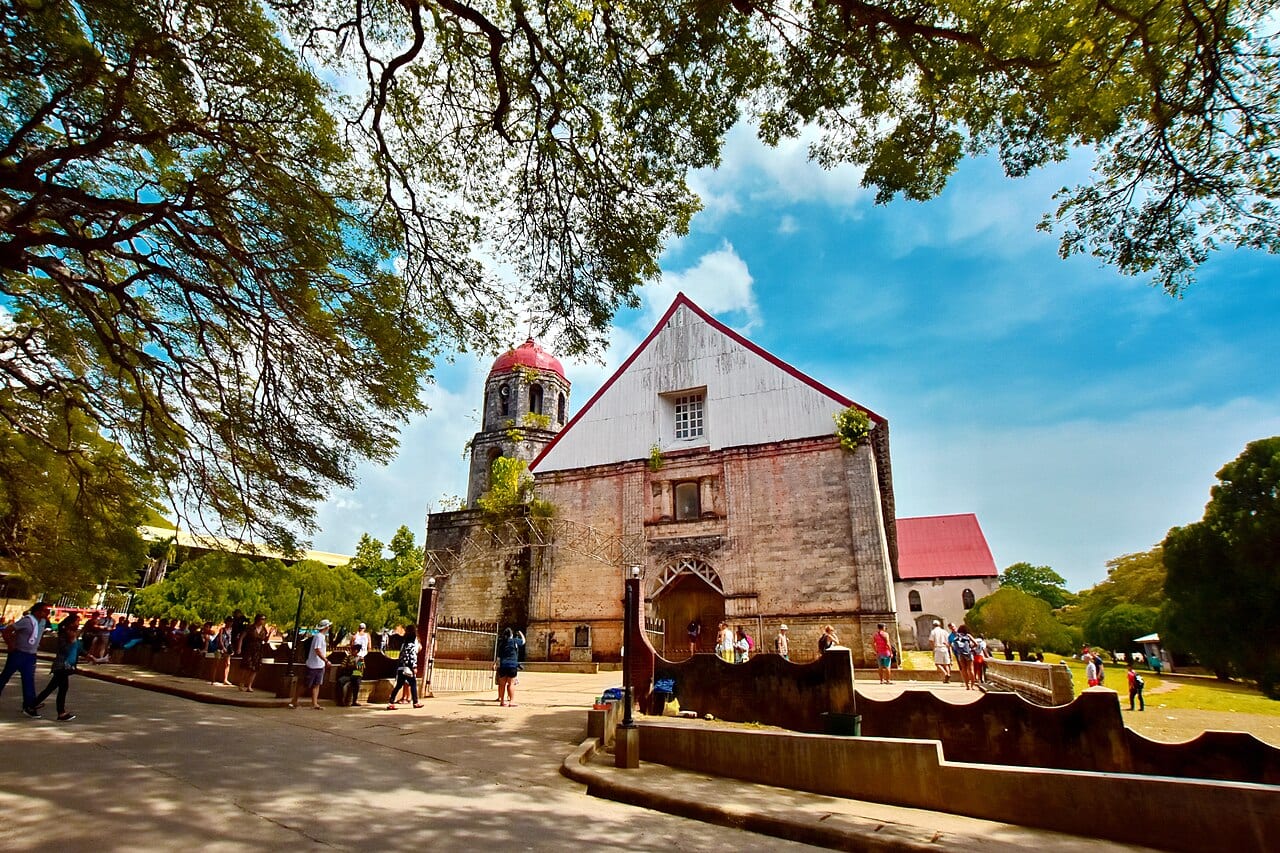
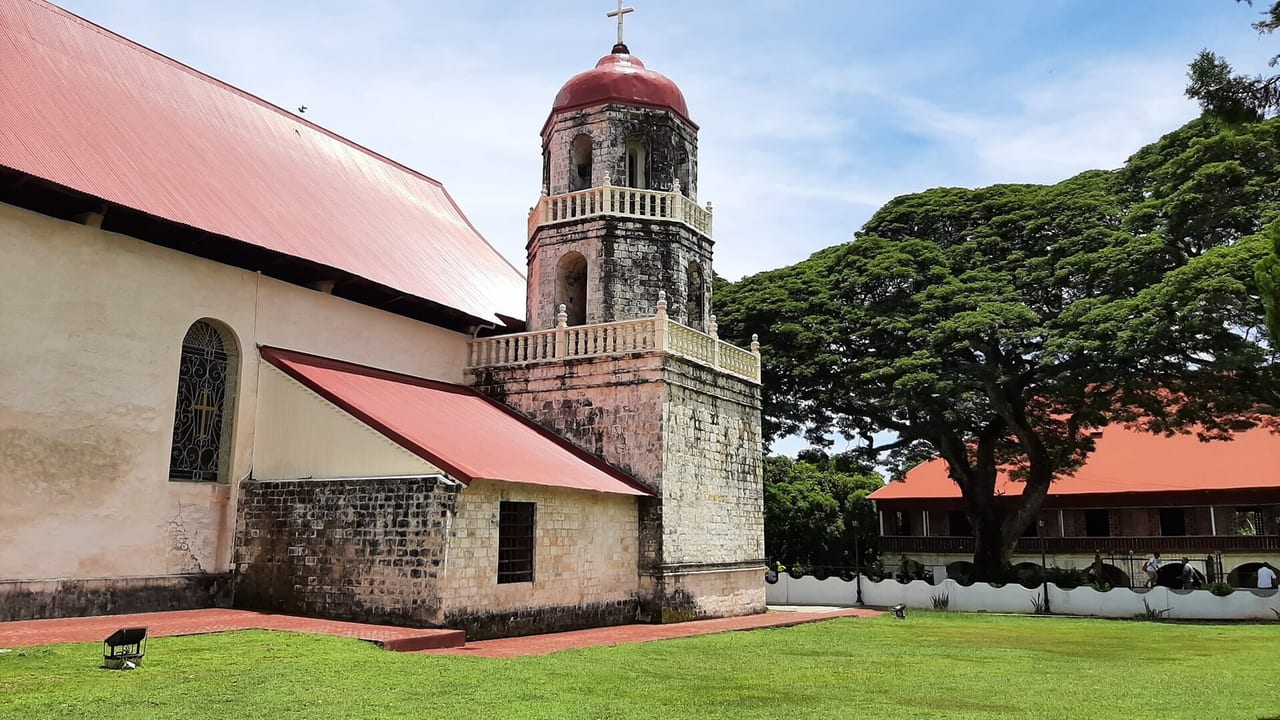
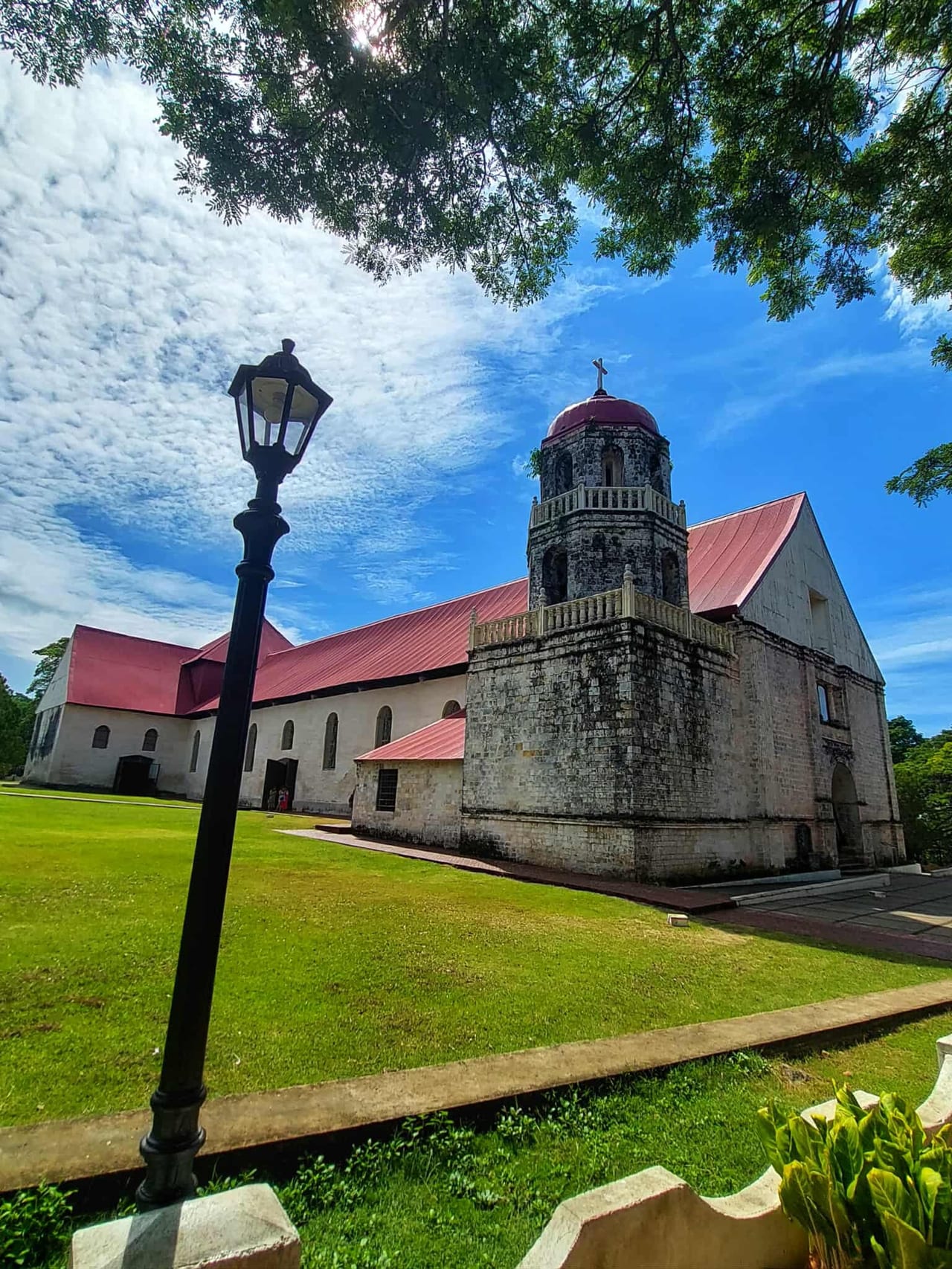
A working parish church and convent in Lazi, a National Cultural Treasure; dress modestly.
The church's museum entrance is around ₱20 (reported 2025). Source: one report, 2025for fee (opens in a new tab)
Lazi Church is a working parish: dress modestly (covered shoulders and knees are a common expectation) and keep voices low, especially during services.
Ask before photographing worshippers, and check whether photography is allowed inside.
The original altarpieces, pulpits and wooden floors are fragile historic fabric: avoid touching or leaning on them.
Ask whether the convent or bell tower can be entered, since access may change.
Not listed: opening hours. Ask locally.
Checked 20 Oct 2026. Road distances are worked out from OpenStreetMap data.
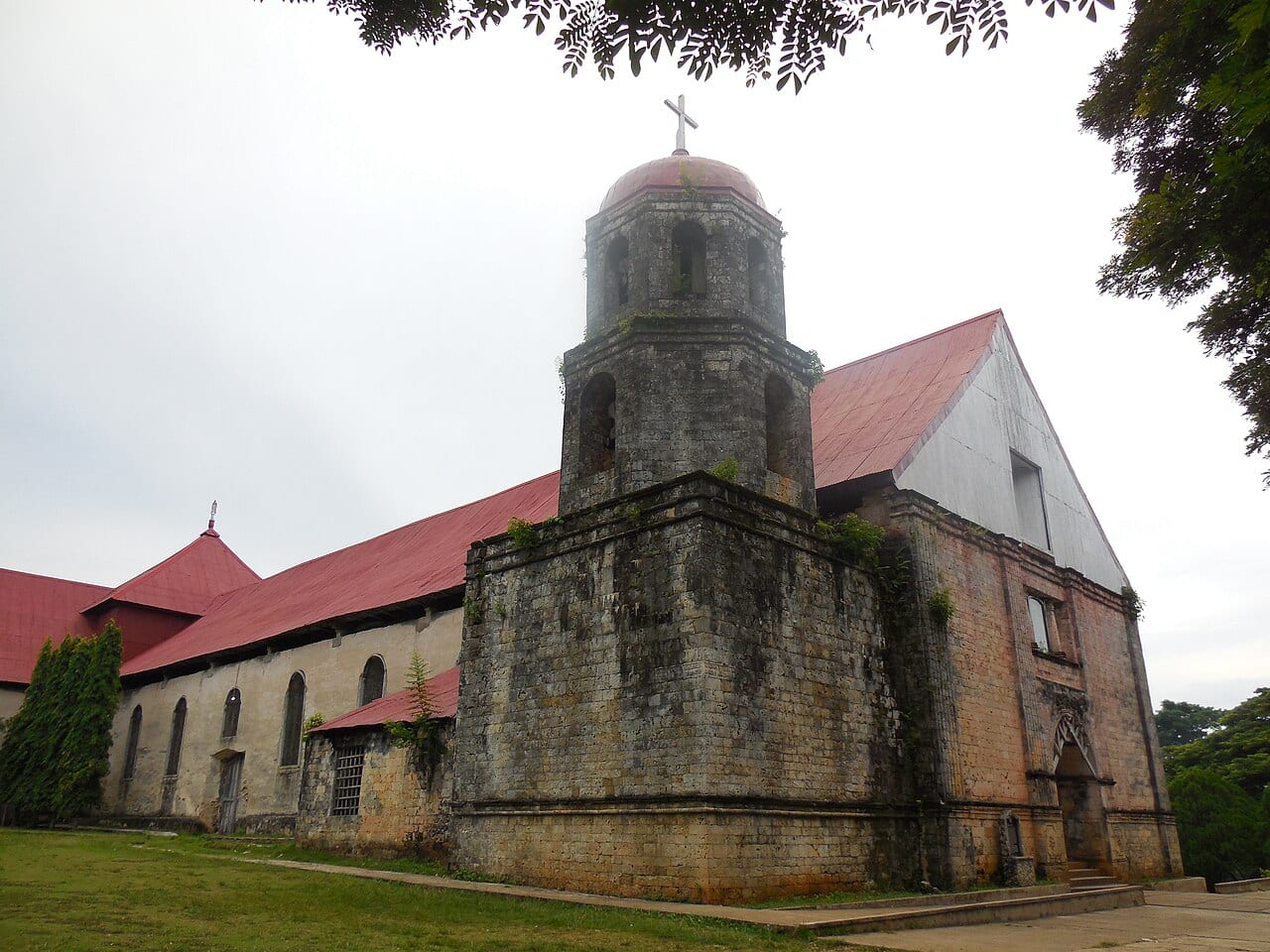
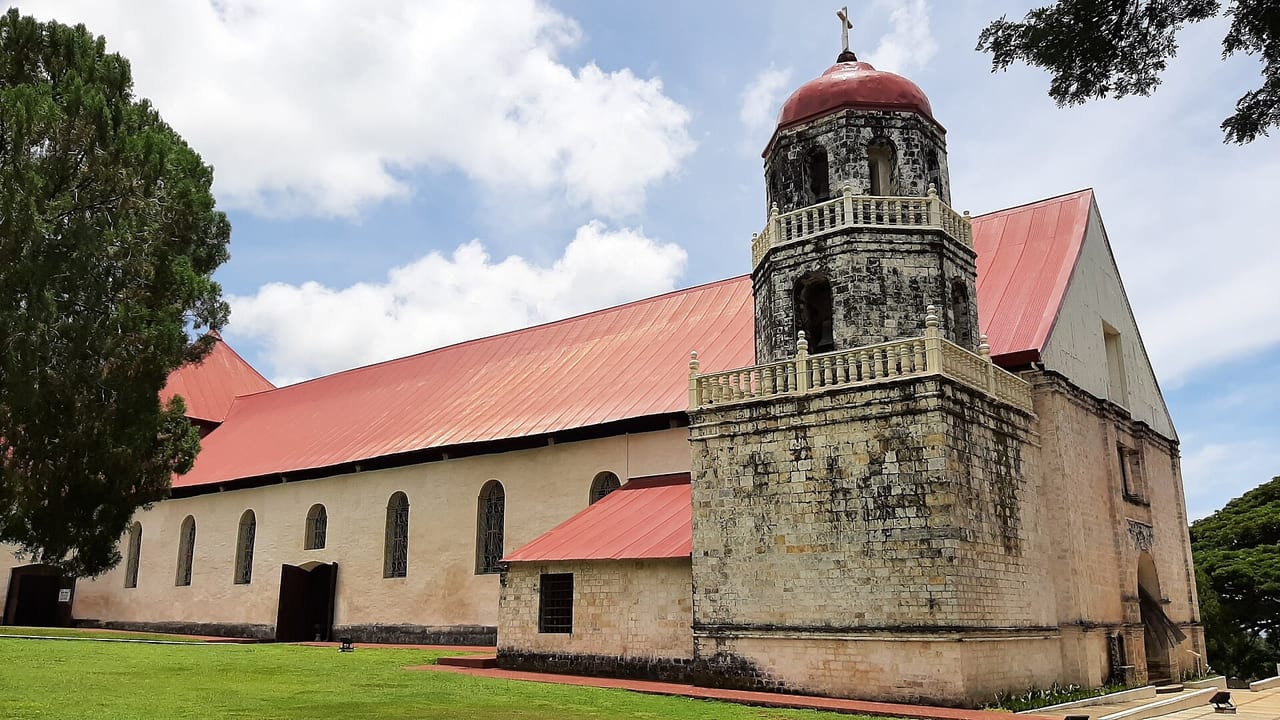
The San Isidro Labrador Parish Church, better known as Lazi Church, is the Roman Catholic parish church of Lazi, within the Diocese of Dumaguete. The town was then called Tigbawan, and its parish was separated from Siquijor on 8 August 1857 with Saint Isidore the Laborer as patron. The church and its convent were declared a National Cultural Treasure by the National Museum of the Philippines in 2001, and the church has been on the Philippines' UNESCO World Heritage Tentative List since 2006 as part of the Baroque Churches of the Philippines (Extension) nomination, together with the churches of Boljoon, Guiuan, Loboc and Tumauini.
The church and convent were built under the direction of the Recollect priest Fr. Toribio Sánchez.
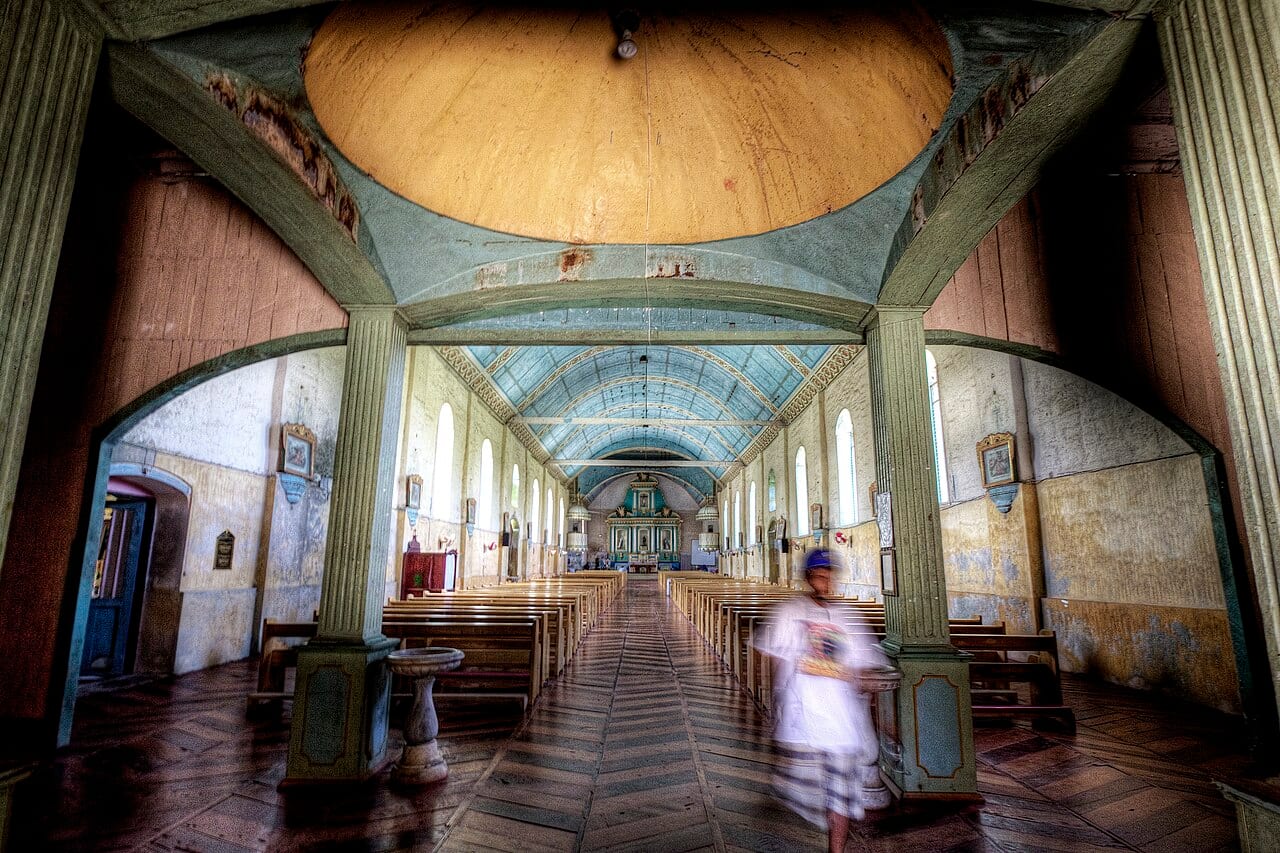
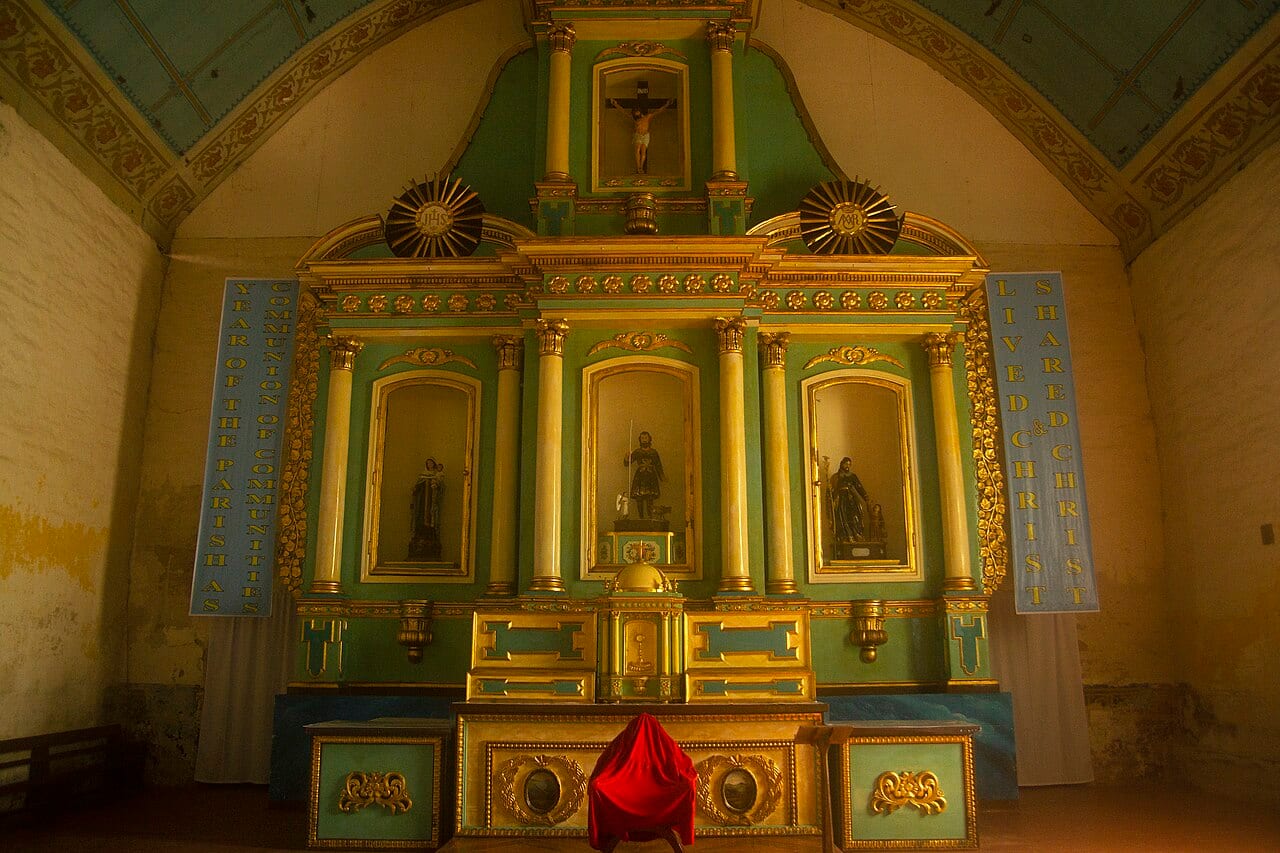
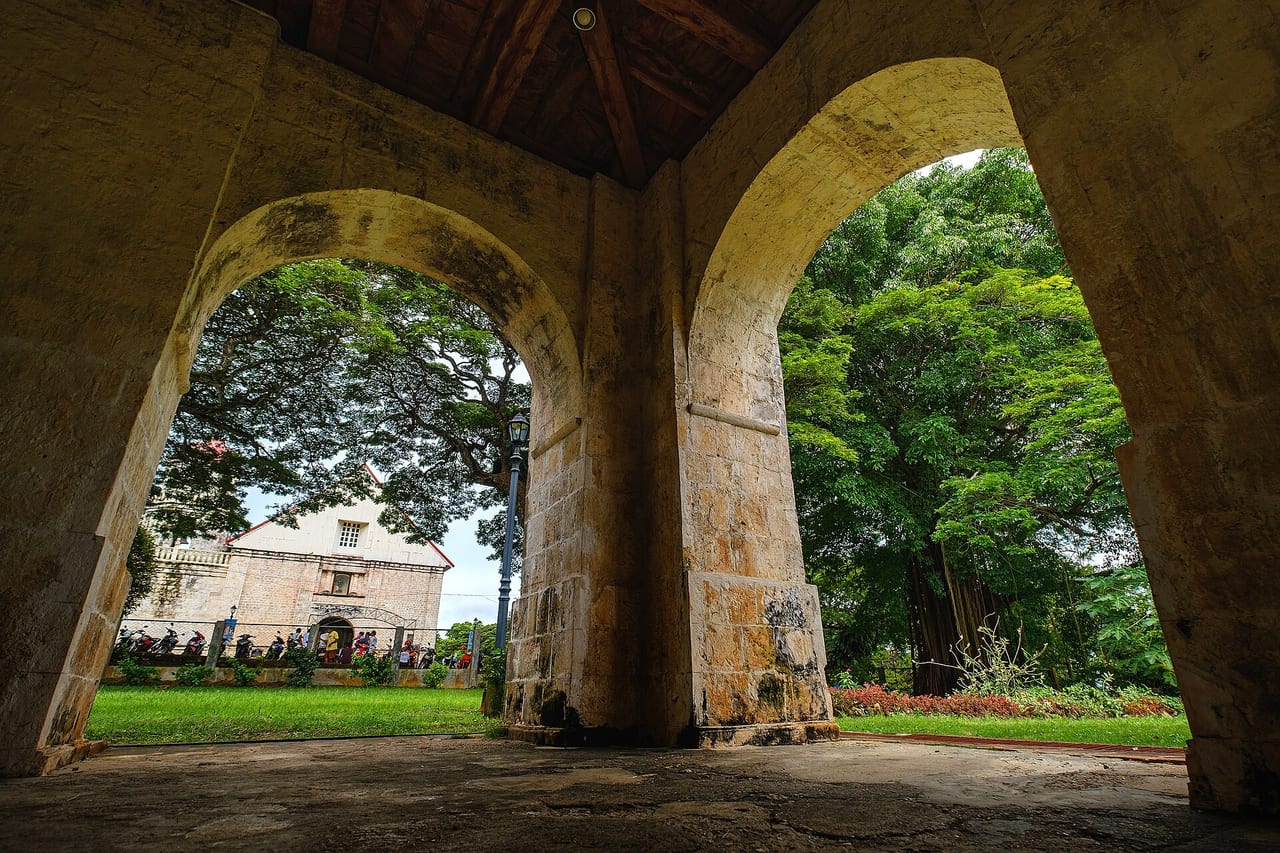
The church walls are roughly a meter thick and are reinforced with log posts set inside them. The facade is veneered with coral stone, while the rest of the wall is fill, and the pediments are made of wood panels. Inside are two pulpits, the original retablos and a wooden floor laid in a herringbone pattern.
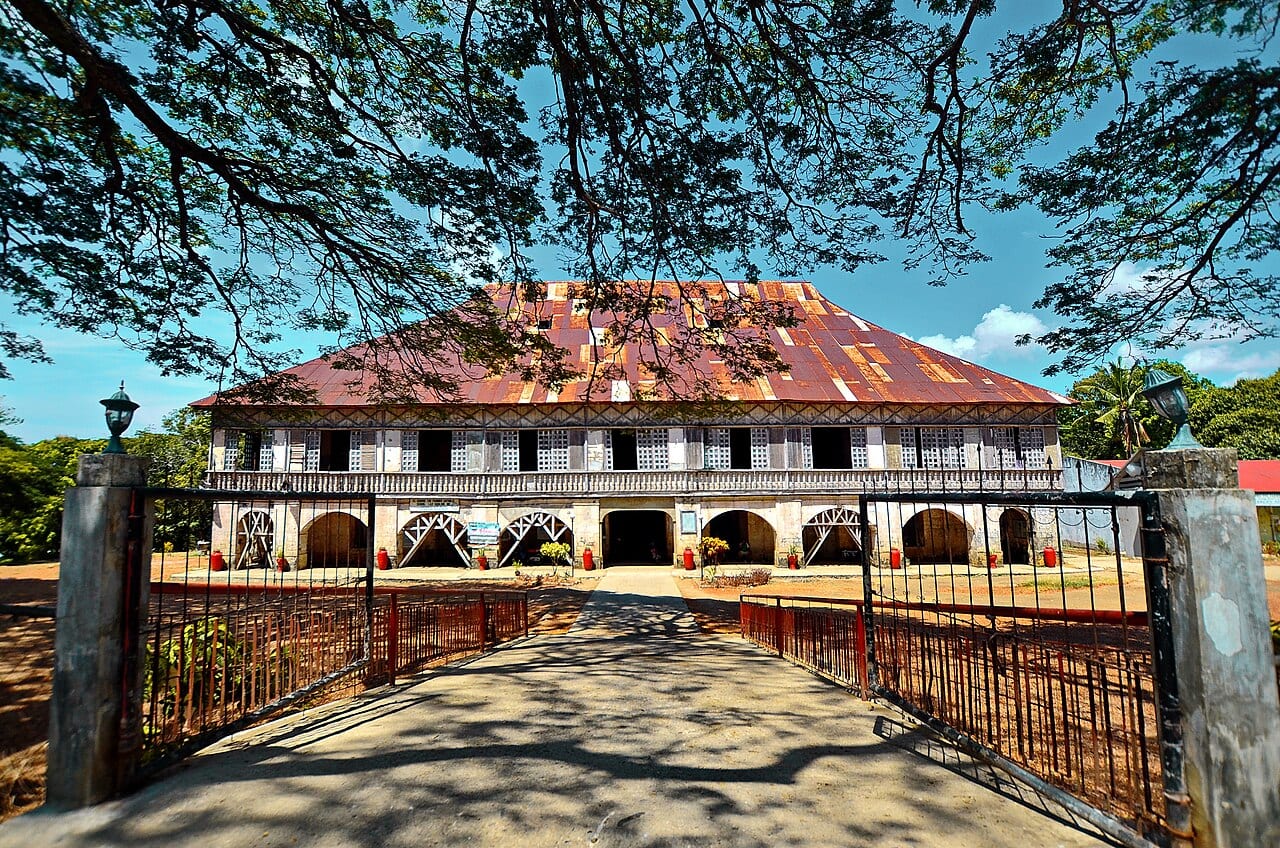
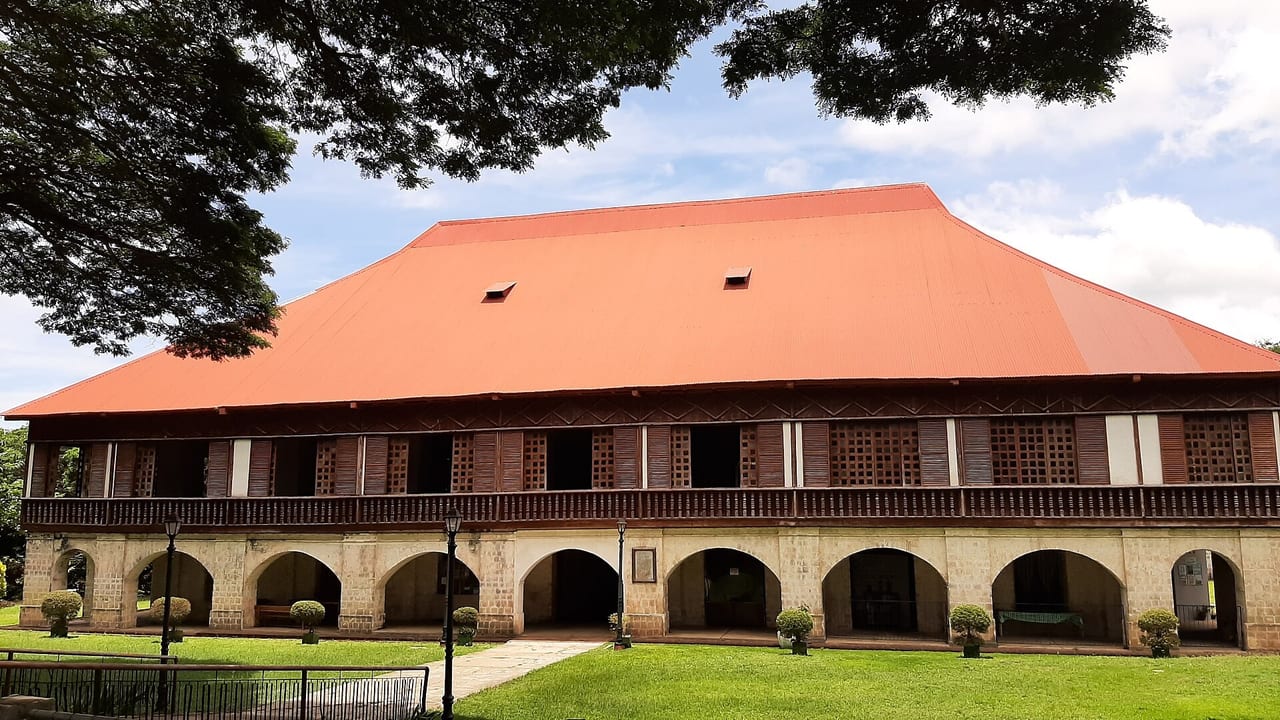
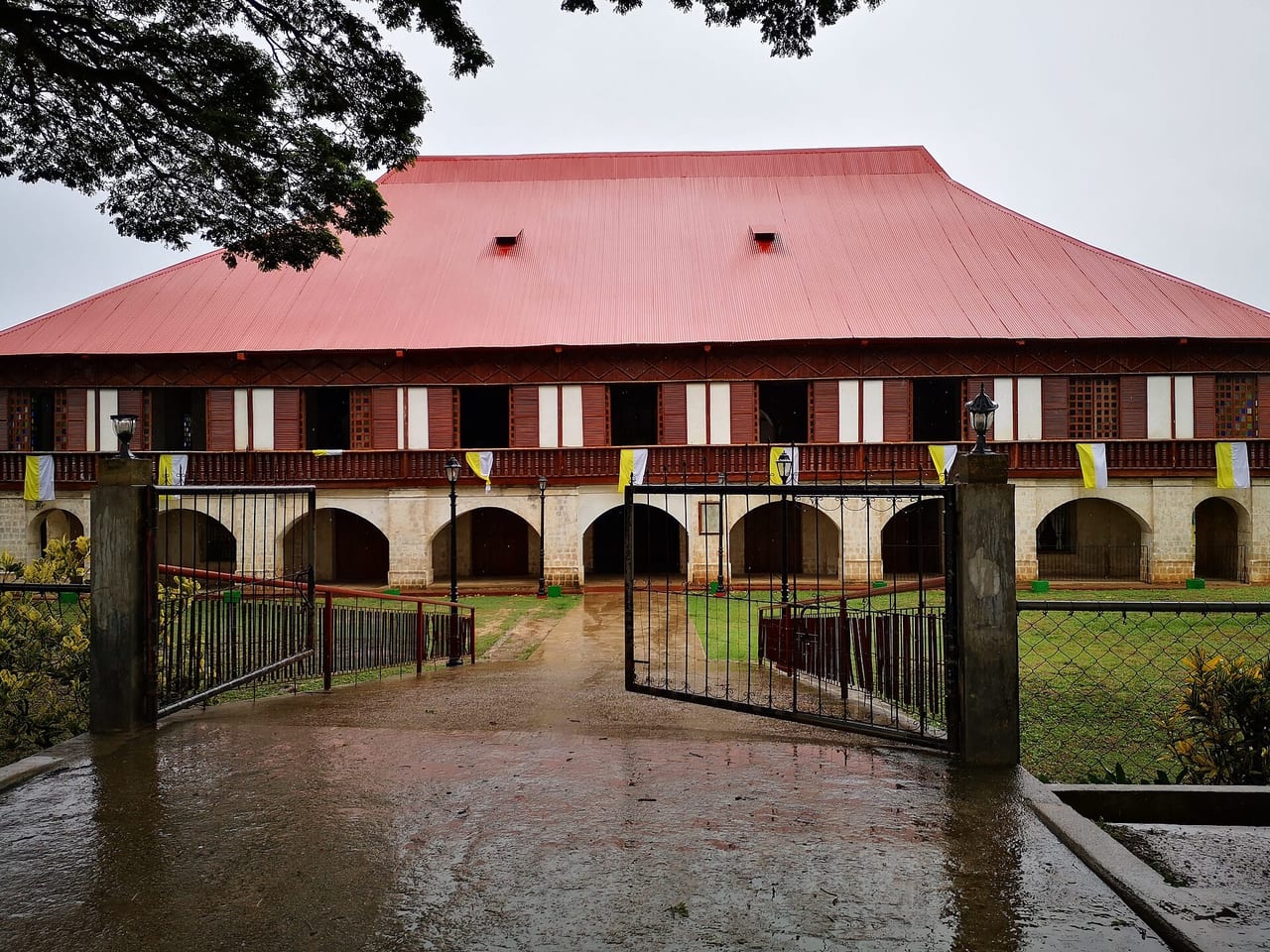
The convent is a large U-shaped bahay na bato, described as one of the largest convents of the Spanish colonial period. Its ground floor has stone walls and its upper floor is finished in wood panels. Part of the convent serves as the Siquijor Heritage Museum, which displays church relics and other religious objects.
Lazi Church is an active parish church. Dress modestly, keep noise down during services, and check locally for mass times and for access to the convent museum, as schedules vary.
The nearest sights and activities by road. San Isidro Labrador Parish Church and Convent (Lazi Church) is about 32 km from Siquijor town along the loop road.
Lazi
about 2 km by road
A three-tiered waterfall with swimming pools near Lazi; the way down is a steep stairway of about 100 to 135 steps.

Lazi
about 4 km by road
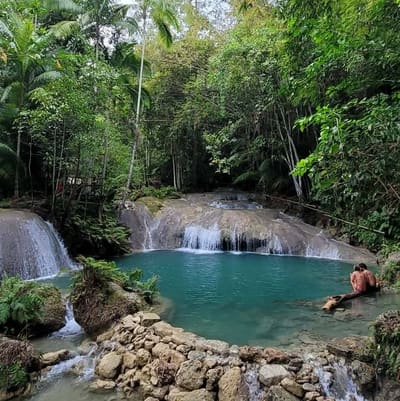
A waterfall with a rope swing over a wide green pool in Lazi, reached by a 15-minute trail; entry is reported at ₱50.
Lazi
about 4 km by road
A small waterfall in Purok Lumboy, Cangclaran, Lazi, whose page mentions a Tarzan swing; not the Kawasan Falls in Cebu.
Lazi
about 8 km by road
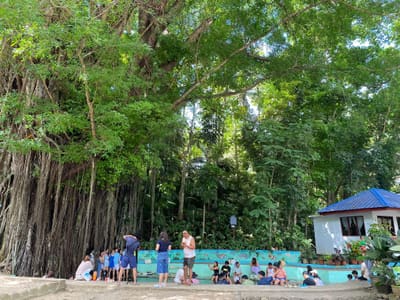
A century-old balete tree with a spring-fed fish pool in Campalanas, Lazi; entry is reported at ₱20 a person.